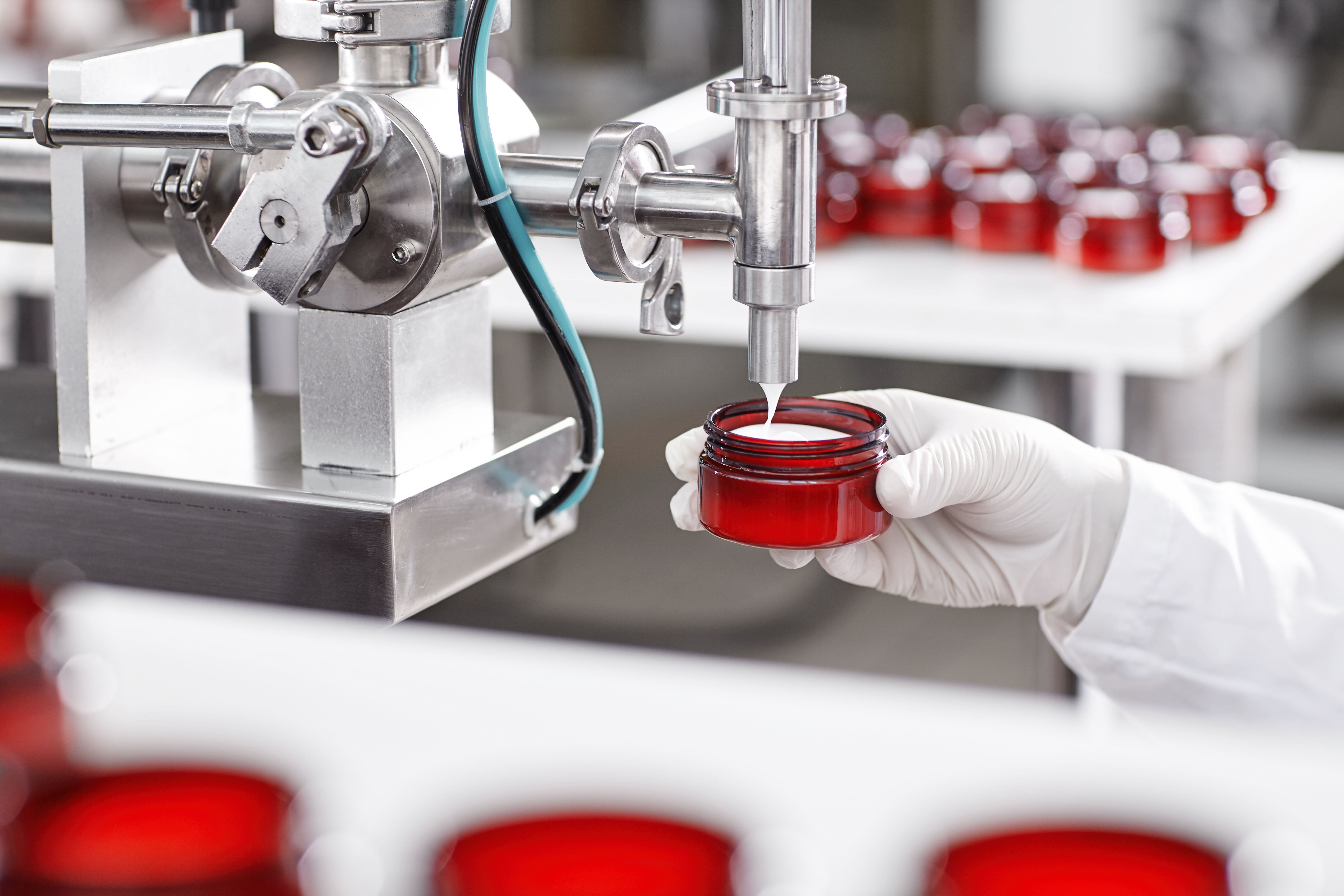
The European cosmetics industry faces unprecedented pressure to balance rapid production growth with stringent environmental regulations and sustainability commitments. Water management has emerged as a critical challenge—from treating complex wastewater streams to ensuring pharmaceutical-grade purified water for sensitive formulations.
THE CHALLENGE: water complexity in modern cosmetics manufacturing
Today's cosmetics manufacturers operate in an increasingly complex environment. Production facilities must simultaneously manage:
-
Highly contaminated wastewater containing surfactants, oils, and active ingredients that resist conventional biological treatment;
-
Meeting strict water quality requirements for formulations, often aligning with European Pharmacopoeia (Ph. Eur.) standards for sensitive products to ensure consistent quality.
-
Ambitious corporate sustainability targets requiring water reuse and waste reduction
-
Ageing infrastructure that no longer supports production expansion
-
Budget constraints in a challenging economic environment
These challenges are not theoretical—they represent the daily reality for European cosmetics manufacturers.
CASE STUDY 1: advanced wastewater treatment with 90% water recovery
A leading Italian cosmetics manufacturer producing liquid and cream health care products faced a critical challenge. Operating 24 hours a day, 6 days a week, the facility generated 30 tons per day of highly contaminated wastewater with surfactant concentrations exceeding 30,000 ppm and COD levels above 50,000 ppm. Conventional biological treatment alone could not achieve the required environmental performance.
Veolia implemented an integrated evaporation solution that fundamentally transformed the facility's water management approach. The new evaporation unit works in synergy with the existing biological treatment infrastructure to maximize water recovery whilst minimizing waste generation.
The results:
-
Approximately 90% water reuse achieved
-
80% reduction in waste volume requiring disposal
-
Significant sludge reduction from the biological plant
-
Rapid payback period of approximately 10 months
-
Distillate quality suitable for safe discharge or on-site reuse
This case demonstrates that advanced wastewater treatment delivers compelling financial returns through reduced water consumption and disposal costs. Download the full case study to explore the complete evaporation technology and treatment process specifications.
CASE STUDY 2: large-scale EPC project with complete water treatment and 44% water recovery
A multinational consumer goods manufacturer investing in a new production facility in Turkey faced a complex challenge: processing 750 m³/day of highly contaminated wastewater whilst simultaneously recovering 330 m³/day of high-quality reusable water. The purpose was to support zero waste-to-landfill objectives and LEED certification, a globally recognised green building rating system created by the U.S. Green Building Council that evaluates energy efficiency, water savings, and environmental performance.
The wastewater presented multiple treatment challenges with total influent COD of approximately 19,000–20,000 mg/L and BOD₅ levels of 7,000–9,000 mg/L. Veolia designed a comprehensive multi-stage treatment plant delivered through an 18-month EPC project, demonstrating project management excellence and the ability to execute complex infrastructure on schedule and within budget.
The integrated system combined preliminary, primary, secondary biological and tertiary treatment to achieve exceptional results.
The results:
-
44% water recovery rate (330 m³/day recovered)
-
92% total COD reduction
-
97.1% BOD₅ reduction through biological treatment stage
-
Full compliance with environmental discharge standards
-
Support for LEED certification and zero waste-to-landfill objectives
This case demonstrates Veolia's capability to deliver infrastructure projects that simultaneously address environmental compliance, water recovery, and operational cost reduction. Download the full case study to explore the complete treatment process, technical specifications, and project delivery approach.
CASE STUDY 3: laboratory-scale purified water with integrated monitoring
A global cosmetics leader required a solution for their R&D laboratory in France where ingredient formulation and testing demanded absolute confidence in water purity. Even trace organic contamination could affect product stability, efficacy testing, and regulatory compliance. Traditional periodic water testing presented an unacceptable risk, as contamination could go undetected.
Veolia recommended a bench-mounted purified water system with integrated real-time Total Organic Carbon (TOC) monitoring, enabling continuous verification of water quality without requiring external analysers or additional laboratory space. The system was connected to Veolia's Hubgrade digital monitoring platform for complete visibility of system performance.
The results:
-
Consistent Type I purified water quality meeting pharmaceutical standards
-
Integrated real-time TOC monitoring for continuous compliance verification
-
Seamless laboratory integration with minimal space requirements
-
Complete visibility of system performance through digital monitoring
-
Enhanced confidence in R&D formulation and testing processes
This case illustrates that Veolia's expertise spans the entire spectrum—from large-scale industrial wastewater treatment to laboratory-scale purified water systems. Download the full case study to know all the details.
CASE STUDY 4: modernising ageing infrastructure with pragmatic phasing
A Belgian pharmaceutical and cosmetics manufacturer faced a critical challenge: their purified water system included a 30-year-old unit that posed significant operational risks, yet budget constraints resulting from global economic pressures limited their investment capacity. The facility required a solution that would address the most critical infrastructure risks immediately whilst preserving the option to upgrade further as budget permitted.
Rather than proposing an expensive complete replacement, Veolia developed a pragmatic, phased approach. The client purchased a single modern purified water unit as the first phase of a planned two-stage replacement programme, immediately addressing critical operational risks whilst managing capital expenditure. Once the first unit was commissioned and market conditions remained favourable, a second unit would replace the remaining legacy equipment.
The results:
-
Modernisation of a 30-year-old purified water system
-
Flexible procurement approach tailored to budgetary constraints
-
Scalable solution allowing phased replacement of ageing infrastructure
-
Clear pathway for future investment as budget permits
-
Maintained operational continuity throughout the transition
This case demonstrates that Veolia understands the commercial realities facing European manufacturers. Sometimes the best solution balances technical requirements with commercial constraints whilst preserving the option for future expansion. Download the full case study to explore the phased modernisation approach and long-term partnership benefits.
THE VEOLIA ADVANTAGE: integrated capabilities for European cosmetics manufacturers
These four case studies represent different challenges, different scales, and different geographies across Europe. However, they share common themes that define Veolia's approach to cosmetics water treatment:
1. Advanced technology matched to specific requirements
Whether addressing complex wastewater, supporting production expansion through large-scale EPC projects, modernising aging infrastructure, or ensuring laboratory-scale purity, Veolia deploys proven technologies specifically matched to each client's requirements.
2. Environmental performance delivering financial returns
Veolia's solutions transform environmental compliance into a strategic financial asset. Advanced water recovery systems directly improve the bottom line by reducing freshwater demand and wastewater disposal costs. Large-scale treatment infrastructure enables production growth and facility expansion, turning sustainability into a driver for revenue. Meanwhile, our modernisation programmes optimise capital expenditure, replacing inefficient legacy equipment with high-performance, cost-effective solutions that mitigate operational risk.
3. Digital integration for visibility and control
Modern cosmetics manufacturing demands visibility, control, and compliance assurance. Hubgrade digital monitoring provides real-time insights into system performance, enabling proactive management and continuous compliance verification.
4. Project delivery excellence
Veolia's EPC capabilities demonstrate the ability to deliver complex infrastructure projects on schedule and within budget, giving European manufacturers confidence in project execution.
5. Pragmatic approaches to commercial constraints
Veolia develops pragmatic approaches that balance technical excellence with commercial realities, understanding the budget constraints and operational pressures facing European manufacturers.
6. Long-term partnership and support
These case studies represent the foundation of long-term partnerships. Veolia's service agreements, maintenance contracts, and digital monitoring platforms ensure solutions continue to deliver value throughout their operational life.
LOOKING FORWARD: water management as a competitive advantage
For European cosmetics manufacturers, water management has evolved from a compliance issue to a competitive advantage. Companies that master water treatment, water recovery, and purified water quality gain multiple benefits:
-
Environmental leadership: Achieving sustainability targets that resonate with consumers and regulators
-
Operational efficiency: Reducing water consumption and disposal costs
-
Production flexibility: Supporting capacity expansion without infrastructure constraints
-
Regulatory confidence: Maintaining compliance with Ph. Eur., cGMP, and other stringent standards
-
Risk mitigation: Reducing operational risks through modern, reliable infrastructure
-
Project delivery certainty: Partnering with a provider capable of delivering complex EPC projects on schedule
Veolia has spent decades developing the expertise, technologies, and partnerships required to deliver these benefits. From large-scale comprehensive wastewater treatment plants to advanced evaporation systems to laboratory-scale purified water systems with integrated monitoring, Veolia's comprehensive capabilities address every aspect of water management in European cosmetics manufacturing.
Don't look at water treatment as a line item expense. With the right solutions, your facility can turn water management into a strategic advantage.
Find out more about our capabilities for the cosmetics market.