---
title: 5 water treatment challenges every Energy from Waste plant must solve
description: Discover 5 critical water treatment challenges facing Energy from Waste plants and proven solutions from Veolia.
image: https://blog.veoliawatertechnologies.co.uk/hubfs/AdobeStock_1078180499_Energy%20from%20Waste_Power_Square_Low%20res.jpg
---
[Skip to content](https://blog.veoliawatertechnologies.co.uk/5-water-treatment-challenges-every-energy-from-waste-plant-must-solve-1#main-content)
- UNITED KINGDOM
- [Online shop](https://uk.shop.veoliawatertechnologies.com/?__hstc=87449607.217c47630b00f349d55659f70d7b5bb6.1714376476665.1714481227412.1714485265865.4&__hssc=87449607.5.1714485265865&__hsfp=1840189571&_gl=1*1p02bir*_ga*ODg3MDc2Mzc1LjE3MTQzNzY0NzU.*_ga_Y5BN5GRTLT*MTcxNDQ4NTI2NS4zLjEuMTcxNDQ4NzQyMi41Ny4wLjA.)
- [Other Veolia sites](http://www.veoliawatertechnologies.com/en/about-us/multi-local-presence?__hstc=87449607.217c47630b00f349d55659f70d7b5bb6.1714376476665.1714481227412.1714485265865.4&__hssc=87449607.5.1714485265865&__hsfp=1840189571)
[](https://veoliawatertechnologies.co.uk/)
- Explore Water Treatment
- [ Markets](https://www.veoliawatertechnologies.co.uk/markets)
- [ Applications](https://www.veoliawatertechnologies.co.uk/applications)
- [ Technologies](https://www.veoliawatertechnologies.co.uk/technologies)
- [ Products](https://www.veoliawatertechnologies.co.uk/products)
- [ Services](https://www.veoliawatertechnologies.co.uk/services)
- [Customer Services](https://www.veoliawatertechnologies.co.uk/customer-services)
- [About Us](https://www.veoliawatertechnologies.co.uk/about-us)
- [Careers](https://www.veoliawatertechnologies.co.uk/careers)
- News & Resources
- [ Blog](https://blog.veoliawatertechnologies.co.uk)
- [ Events](https://www.veoliawatertechnologies.co.uk/events)
- [ Webinars](https://www.veoliawatertechnologies.co.uk/webinars)
- [ News](https://www.veoliawatertechnologies.co.uk/news)
- [ Resources](https://www.veoliawatertechnologies.co.uk/tech-resources)
- [ Case Studies](https://www.veoliawatertechnologies.co.uk/case-studies)
- [Contact](https://www.veoliawatertechnologies.co.uk/contact)
- Explore Water Treatment
- [ Markets](https://www.veoliawatertechnologies.co.uk/markets)
- [ Applications](https://www.veoliawatertechnologies.co.uk/applications)
- [ Technologies](https://www.veoliawatertechnologies.co.uk/technologies)
- [ Products](https://www.veoliawatertechnologies.co.uk/products)
- [ Services](https://www.veoliawatertechnologies.co.uk/services)
- [Customer Services](https://www.veoliawatertechnologies.co.uk/customer-services)
- [About Us](https://www.veoliawatertechnologies.co.uk/about-us)
- [Careers](https://www.veoliawatertechnologies.co.uk/careers)
- News & Resources
- [ Blog](https://blog.veoliawatertechnologies.co.uk)
- [ Events](https://www.veoliawatertechnologies.co.uk/events)
- [ Webinars](https://www.veoliawatertechnologies.co.uk/webinars)
- [ News](https://www.veoliawatertechnologies.co.uk/news)
- [ Resources](https://www.veoliawatertechnologies.co.uk/tech-resources)
- [ Case Studies](https://www.veoliawatertechnologies.co.uk/case-studies)
- [Contact](https://www.veoliawatertechnologies.co.uk/contact)
- [Online Shop](https://uk.shop.veoliawatertechnologies.com/)
- [Other Veolia Sites](https://www.veoliawatertechnologies.com/en/about-us/veolia-water-technologies/veolia-water-technologies-around-world)
- [Login](https://www.veoliawatertechnologies.co.uk/services/customer-portal-remote-monitoring)
- [Cookie Policy](https://www.veoliawatertechnologies.co.uk/cookie-policy)
- [Terms & Conditions](https://www.veoliawatertechnologies.co.uk/legal-0)
- [Privacy Policy](https://www.veoliawatertechnologies.co.uk/privacy-policy)
- [Modern Slavery Statement](https://www.veoliawatertechnologies.co.uk/modern-slavery-and-human-trafficking-statement)
- [Site Map](https://www.veoliawatertechnologies.co.uk/sitemap)
TOP
[ Back](https://blog.veoliawatertechnologies.co.uk)
- [Energy production](https://blog.veoliawatertechnologies.co.uk/?tid=95239158730)
- Connect with us
-
-
-
# 5 water treatment challenges every Energy from Waste plant must solve
by David Broster
11 June 2026
6 minutes read
[ Back](https://blog.veoliawatertechnologies.co.uk) Follow
### Energy from Waste (EfW) plants play a critical role in Europe's transition to a circular economy, converting non-recyclable waste into valuable electricity and heat. But behind every megawatt generated lies a complex water treatment challenge that can make or break plant performance.
---
From boiler feedwater purity to wastewater discharge compliance, water quality issues directly impact uptime, regulatory standing, and operational costs. Here are the five water treatment challenges every EfW plant operator must address — and how to solve them.
## 1. Boiler feedwater purity and steam quality in EfW environments
EfW plants rely on high-pressure boilers to generate steam from waste combustion. Unlike conventional power plants, EfW facilities face unique contamination risks from waste-derived flue gases containing chlorides, sulfates, and heavy metals. These contaminants can cause scaling, corrosion, and fouling in boiler tubes, reducing heat transfer efficiency and increasing the risk of unplanned shutdowns.
Poor boiler feedwater quality leads to:
- ##### Reduced steam quality and turbine efficiency
- ##### Increased maintenance costs and downtime
- ##### Shortened equipment lifespan
Implementing robust pre-treatment systems including ion exchange, reverse osmosis (RO), and chemical dosing programs ensures boiler feedwater meets stringent purity standards. Real-time monitoring through digital platforms like Veolia's Hubgrade enables operators to detect water quality deviations early and adjust treatment protocols proactively.
## 2. Cooling system management with waste-derived flue gas contamination
Cooling towers and closed-loop cooling systems at EfW plants are exposed to atmospheric contamination from flue gas emissions, even with modern air pollution control systems in place. This exposure increases the risk of:
- ##### Microbiological growth, including Legionella bacteria (bacteria, algae, fungi)
- ##### Scale formation from dissolved solids
- ##### Corrosion from acidic compounds
Cooling system failures can force emergency shutdowns, resulting in lost revenue and potential regulatory penalties.
A comprehensive chemical treatment program combining biocides, scale inhibitors, and corrosion inhibitors is essential. Regular water quality testing and system cleaning, supported by mobile water services during planned maintenance, keeps cooling systems operating efficiently. Veolia's Chemical Solutions & Monitoring (CSM) programs are specifically designed for the harsh conditions found in EfW environments.
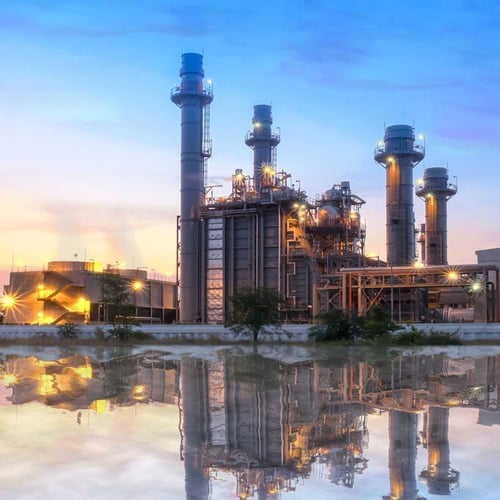
## 3. Flue gas treatment wastewater — Zero Liquid Discharge vs treat-and-discharge options
Modern EfW plants use wet or semi-dry flue gas treatment systems to remove acid gases, heavy metals, and particulates. These systems generate contaminated wastewater containing high levels of chlorides, sulfates, heavy metals, and suspended solids.
Plant operators face a critical decision:
Treat-and-discharge: Requires meeting increasingly stringent EU discharge limits
Zero Liquid Discharge (ZLD): Eliminates wastewater discharge but requires significant capital investment
Both options have cost, compliance, and operational implications that must be carefully evaluated.
The right approach depends on site-specific factors including discharge consent limits, available space, and long-term regulatory trends. Veolia's wastewater treatment specialists can conduct site assessments to determine the most cost-effective solution, whether that's advanced treatment for discharge compliance or a full ZLD system incorporating evaporation and crystallization technologies.
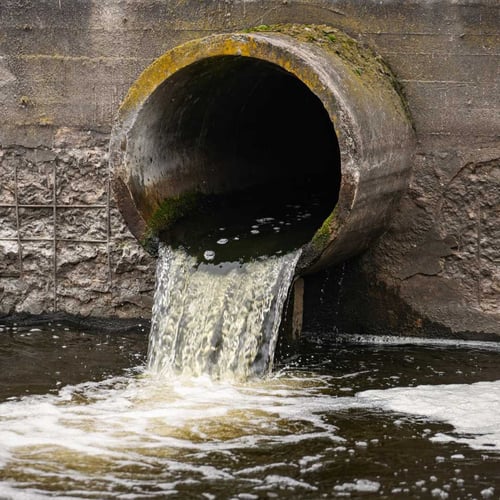
## 4. Meeting EU BAT conclusions and Industrial Emissions Directive (IED) compliance requirements
The EU's Best Available Techniques (BAT) conclusions for waste incineration, implemented under the Industrial Emissions Directive (IED), set strict emission limits for both air and water discharges. EfW plants must demonstrate compliance with:
- ##### Wastewater discharge limits for heavy metals, chlorides, and organic compounds
- ##### Water consumption efficiency targets
- ##### Continuous monitoring and reporting requirements
- ##### Non-compliance can result in enforcement action, fines, or even operating permit revocation.
Staying ahead of regulatory requirements requires a proactive approach to water treatment. This includes:
- ##### Regular compliance audits and gap analysis
- ##### Investment in treatment technologies that exceed current standards
- ##### Implementation of digital monitoring systems for real-time compliance tracking
- ##### Documentation and reporting systems that satisfy regulatory authorities
Veolia's integrated approach combines technical expertise with regulatory knowledge to help EfW operators navigate the complex EU compliance landscape.
## 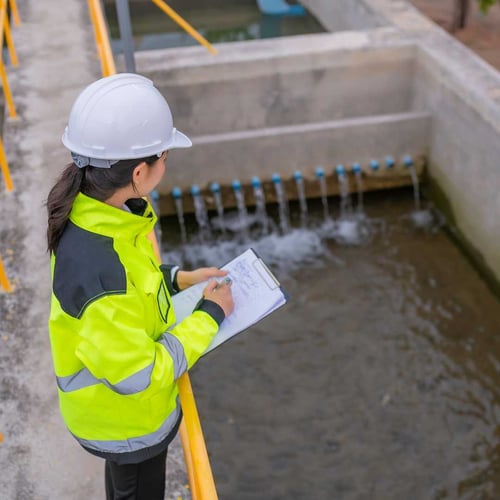
## 5. Ageing infrastructure and the case for mobile water backup
Many European EfW plants are operating with water treatment infrastructure that's 15-20 years old or more. Ageing demineralizers, RO systems, and chemical dosing equipment become increasingly unreliable, raising the risk of:
- ##### Emergency shutdowns due to water quality failures
- ##### Extended downtime during equipment replacement
- ##### Lost revenue during planned maintenance outages
The cost of unplanned downtime at an EfW plant can exceed €50,000 per day when lost electricity sales and waste processing fees are factored in.
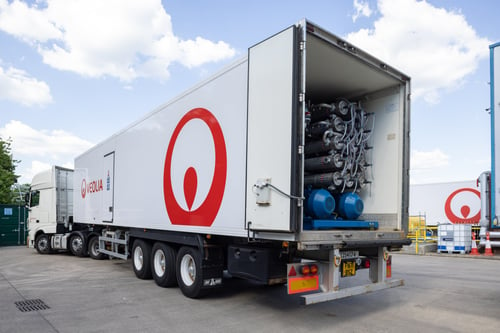
Mobile water services provide rapid-response backup and planned intervention support. Veolia can quickly deploy containerized ion exchange, RO, and ultrafiltration systems to maintain operations during:
- ##### Emergency equipment failures
- ##### Planned maintenance shutdowns
- ##### Capacity upgrades and system replacements
- ##### Long-term contracts for seasonal demand peaks
This approach protects revenue, maintains compliance, and provides flexibility while permanent infrastructure is upgraded.
## Take action: Optimize your EfW plant's water treatment
Water treatment challenges at Energy from Waste plants are complex, but they're not insurmountable. With the right combination of technology, expertise, and proactive management, you can protect uptime, ensure compliance, and optimize operational costs.
Veolia has been supporting EfW operators across Europe for decades, delivering mobile water services, chemical solutions & monitoring, integrated water treatment systems, and digital optimization through Hubgrade.
### **Ready to solve your EfW plant's water treatment challenges?**
**Speak to one of our EfW Water Specialists or visit our EfW water treatment hub to learn more about how we can support your operations.**
[](https://blog.veoliawatertechnologies.co.uk/hs/cta/wi/redirect?encryptedPayload=AVxigLJwcNCfctZbpQspNwjFhZjbNk62ZvR418BMw1aT0F5ukE5IMgcS8fuV7%2BmtQK3U5ZeeuKaVvspYY8hskXFJY0oeVRnsIxEqkUl9IFj4wZDS8tgIxYhR%2FRpOetlW9uCnBsXed760ebe8QXmN3p7AqdmByG7TP2ePpTFw7zurElQ%2FvLtJ49GzL7QAC4tCf89USM6%2B53xDbvDiEmEWn7899ChkFzZV4Eojm7xgmEK2IRMjdMAp3coUuKgy%2B1nhDs1yO8HXgJIzj6%2FpwnW%2BORJR3kxWHFP74WHWJ1blrL2%2FZ0c1MscG&webInteractiveContentId=417632292028&portalId=25605683)
## Tags
- [Energy production](https://blog.veoliawatertechnologies.co.uk/?tid=95239158730)

## Author | David Broster
David successfully graduated from University in 2013 with a degree in Biochemistry and Microbiology. From there, he accepted a place on a Graduate development programme for a large electrical wholesaler, before taking his first steps into the water industry as field service chemist. This progressed to David moving into account management , where he was responsible for managing and designing critical water treatment programmes for a range of customers. Five years later, in October 2020, he took the next step in his career and joined Veolia Water Technologies as Business Development Manager.
## Related articles
## Discover *VWT UK*
### Latest news
[News](https://veoliawatertechnologies.co.uk/news/)
### Latest webinars
[Webinars](https://veoliawatertechnologies.co.uk/webinars/)
### Upcoming events
[Events](https://veoliawatertechnologies.co.uk/events/)
### Latest resources
[Resources](https://veoliawatertechnologies.co.uk/tech-resources/)

## Sign up to blog notifications
Receive the latest blog updates.
{|error|}
By checking this box, you agree to **Veolia Water Technologies's** [Privacy Policy](https://veoliawatertechnologies.co.uk/privacy-policy) and you agree to receive information on our products and services.
Keep me informed
We respect your right to privacy. Click here to view our [contact policy](https://veoliawatertechnologies.co.uk/privacy-policy).
## Thank you for subscribing.
Please note that you can update your **preferences** at any time.
Return to blog
Note: If you do not receive any emails, please check your junk folder.
```json
{
"@context" : "https://schema.org",
"@type" : "BlogPosting",
"author" : {
"@type" : "Person",
"name" : "David Broster",
"url" : "https://blog.veoliawatertechnologies.co.uk/author/david-broster"
},
"dateModified" : "2026-08-26T10:43:11.696Z",
"datePublished" : "2026-06-11T06:00:02.000Z",
"headline" : "5 water treatment challenges every Energy from Waste plant must solve",
"image" : [ "https://blog.veoliawatertechnologies.co.uk/hubfs/AdobeStock_1078180499_Energy%20from%20Waste_Power_Square_Low%20res.jpg" ],
"mainEntityOfPage" : {
"@id" : "https://blog.veoliawatertechnologies.co.uk/5-water-treatment-challenges-every-energy-from-waste-plant-must-solve-1",
"@type" : "WebPage"
},
"publisher" : {
"@type" : "Organization",
"logo" : {
"@type" : "ImageObject",
"url" : "https://blog.veoliawatertechnologies.co.uk/hubfs/header-logo.png"
},
"name" : "Veolia Water Technologies"
}
}
```